
2026 First Quarter Newsletter

7 Estate Planning Terms You Should Know + Life as a Pawrent & Parront (not Typos!)
7 Estate Planning Terms You Should Know
Estate planning is an essential tool—not just for the extremely wealthy or those nearing retirement. In fact, every adult should have an estate plan. A thoughtful plan allows you to accomplish important goals, such as appointing guardians for minor children, choosing healthcare agents to make decisions on your behalf if you become ill, minimizing taxes, and determining how and to whom your assets will be distributed after your passing.
To help you get started, below are some important terms you should know as you think about your own estate plan:
Beneficiary – The person or organization entitled to receive assets from a will, trust, or account.
Distribution – The act of transferring assets to beneficiaries according to the terms of a will or trust.
Fiduciary – A person or institution legally obligated to act in the best interests of another (for example, a trustee or executor).
Funding – The process of properly transferring assets into a trust so it functions as intended.
Trust – A legal arrangement where a trustee holds and manages assets for the benefit of named beneficiaries.
Conservatorship – A court-supervised arrangement in which someone is appointed to manage the personal and/or financial affairs of an adult who cannot do so independently
Will – A legal document that directs how assets are distributed at death and names guardians for minor children.
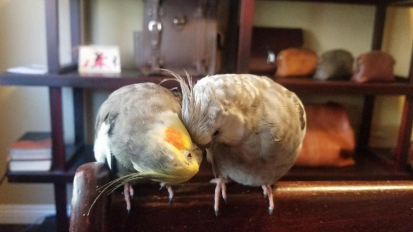
Life as a Pawrent & Parront (not Typos!)
Outside of my estate planning practice, pets have always played an important role in my life. I have loved poodles since my early twenties—starting with a miniature poodle—and later found my true passion in standard poodles. In 2019, I also became what is affectionately known as a “parront.”
Each type of pet requires a very different level and style of care. Dogs thrive on structure, training, exercise, and companionship. Parrots, on the other hand, require highly specialized routines—carefully managed sleep schedules, fresh and balanced diets, regular sunlight, and daily interaction to support both physical and emotional well-being.
This contrast has reinforced something I see every day in my legal practice: there is no one-size-fits-all approach to good planning. Just as each pet has unique needs, each individual and family requires a tailored estate plan that reflects their goals, relationships, and responsibilities.
I became a parront in 2019 after adopting Pi (yes, as in 3.14!), a cockatiel whose owner passed away unexpectedly. Almost exactly one year later, Moon joined our family. The learning curve from pawrent to parront was steep, but the experience has been deeply rewarding—and a meaningful reminder of how important it is to plan ahead, even for the things we don’t expect.
